
Skip to content
  • Tea Trekker is Closed for ordering - informational site only
  • Subscribe

    Blog sign up

    Subscribe

    Subscribe to our blog to receive notifications of new posts by email.

  • Blog
  • Tea Trekker is Closed for ordering - informational site only
Tea TrekkerTea Trekker
  • Login
  • Menu
  • Home
  • Learn About Tea
    • Tea Education
      • What is Tea?
      • The Six Classifications of Tea
      • Steeping Tea
      • Selecting & Storing Tea
      • Healthful Benefits
      • Traditional Tea vs Commodity Tea
      • New Tea, Rested Tea & Aged Tea
      • Fresh Spring Tea
    • Places of Note
      • China Famous Tea
      • Wu Yi Shan Oolong: yan cha
      • High Mountain Gao Shan
      • Higashiyama Tea
      • Kagoshima Tea
      • Shizuoka Organic Tea Farmers Union
      • About Jun Chiyabari Garden
      • Darjeeling Tea Protected Origin Status
    • Teawares
      • Teapots
      • Teacups
      • Matcha Bowls and Whisks
      • Gaiwans
      • Teaware Accessories
  • Tea by Country & Type
    • Tea by Country
      • Ceylon
      • China
      • India
      • Japan
      • Nepal
      • Taiwan
      • Other Countries
    • Tea by Type
      • Black Tea
      • Green Tea
      • Oolong Tea
      • Pu-erh Tea
      • Hei Cha
      • White Tea
      • Yellow Tea
      • Jasmine, Scented & Smoked
      • Tea Trekker Blends
      • Organic Tea
  • About Tea Trekker
    • About Us
    • Our Books
    • Stories from our Tea Trips
    • What Others Have Said About Us
    • Our Published Articles
    • Photo Gallery
    • Tea Trekker is Now Retired
  • Our Blog
Home / Types / Pu-erh Tea / China Sheng Pu-erh
Bulang Mt. Sheng (un-fermented) Pu-erh Mini Beeng Cha
Bulang Mt. Sheng (un-fermented) Pu-erh Mini Beeng Cha - Image 2
Bulang Mt. Sheng (un-fermented) Pu-erh Mini Beeng Cha - Image 3

Bulang Mt. Sheng (un-fermented) Pu-erh Mini Beeng Cha

Sheng (un-fermented) Pu-erh Tea

Origin:  Bulang Mountain, Menghai County, Xishuangbanna Prefecture, Yunnan Province, China

NO LONGER FOR SALE
----------------------------
Categories: Aged & Rested Tea, China Sheng Pu-erh, China Tea, Pu-erh Tea
Browse Tea
  • Black Tea
    • Ceylon Black Tea
    • China Black Tea
      • — Keemun Black Tea
      • — Lapsang Souchong Black Tea
      • — Yunnan Black Tea
      • — Other Regions Black Tea
      • — All China Black Tea
    • India Black Tea
      • — Assam Black Tea
      • — Bihar Black Tea
      • — Darjeeling Black Tea
      • — Nilgiri Black Tea
      • — Sikkim Black Tea
      • — All India Black Tea
    • Japan Black Tea
    • Nepal Black Tea
    • Taiwan Black Tea
    • All Black Tea
  • Green Tea
    • China Green Tea
    • Japan Green Tea
      • — Fukuoka Green Tea
      • — Matcha
      • — Shizuoka Green Tea
      • — Uji Green Tea
      • — All Japan Green Tea
    • Nepal Green Tea
    • All Green Tea
  • Oolong Tea
    • China Oolong Tea
      • — Fujian Semiball-rolled Oolong
      • — Fujian Strip-style yan cha Oolong
      • — Guangdong dan cong Oolong
      • — All China Oolong Tea
    • Nepal Oolong Tea
    • Taiwan Oolong Tea
    • All Oolong Tea
  • Pu-erh Tea
    • China Sheng Pu-erh
    • China Shou Pu-erh
    • All Pu-erh Tea
  • Hei Cha
  • White Tea
    • China Fujian White Tea
    • China Yunnan White Tea
    • Nepal White Tea
    • All White Tea
  • Yellow Tea
  • Jasmine, Scented & Smoked
  • Tea Trekker Blends
  • Organic Tea
  • 2021 Spring Tea
Browse Teaware
  • Teapots
  • Teacups
  • Matcha Bowls and Whisks
  • Gaiwans
  • Teaware Accessories
  • Description
  • Harvesting Season:
  • Steeping Instructions:
  • Map:

The Bulang tea harvesting area is located in south-west Menghai County, Xishuangbanna Prefecture, close to the border with Burma. There are several different tea harvesting areas on Bulang Mt. and each area is inhabited by a different ethnic group who makes unique tasting tea based on the types of tea trees they have and on their individual cultural preferences on how their tea should taste.

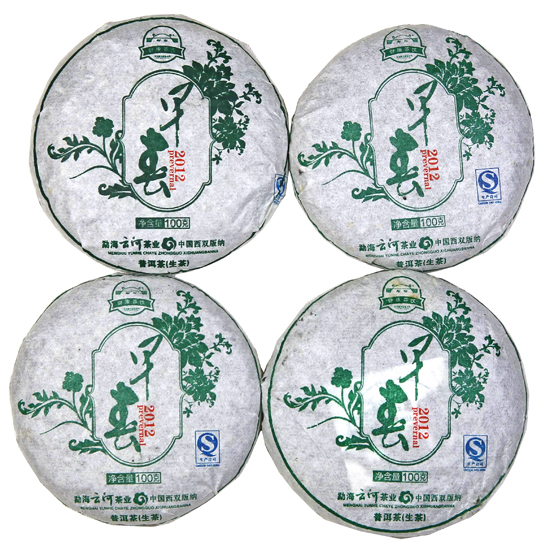
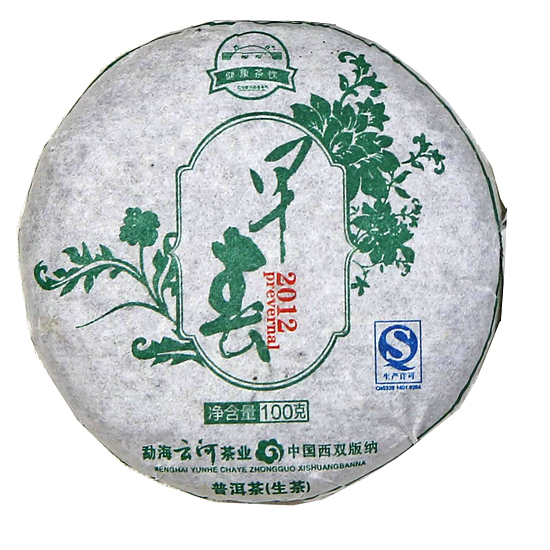
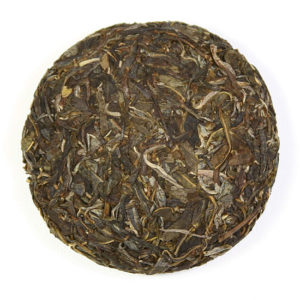
This mini beeng cha is made from a Bulang Mt. blend of mao cha made from early spring pluckings of tender leaves and tips. On the wrapper in English is the word prevernal which is used to indicate this very early leaf material.

Bulang Mt. teas are known for their strength and vigor and power in the taste. This tea fits that description. The weather here is hot and humid so the mao cha and the finished cakes tends to gain strength from the weather which can jump-start maturity.

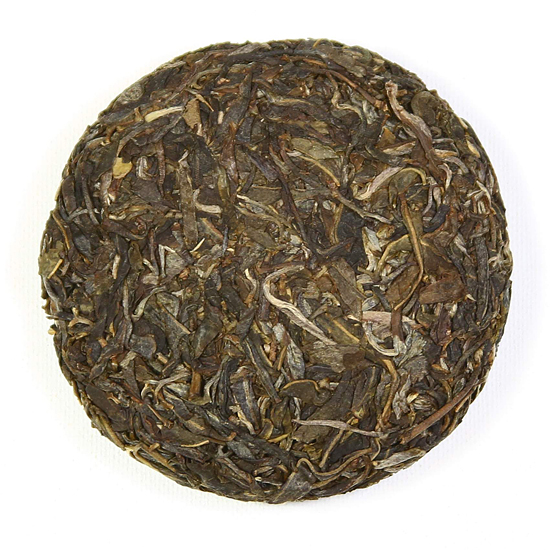
The cake is composed of an attractive blend of various sized leaf with a good bit of silvery leaf dispersed over the surface of the cake. A Chinese friend said that these cakes are a good representation of the style of Bulang Mt. teas, and that they are very well-made. The tea is not smoky tasting and is not too astringent or bitter, which many Bulang Mt. teas can be. The tea is aromatic and delivers un-expected sweetness at the finish. The expectation is that these are a good investment for those looking to add a few reasonably priced, well-made and distinctive sheng Pu-erhs to their collection.

But beyond that and knowing the name of the tea factory that made it, we do not know much about this cake. We have had these mini beeng cha in storage for some time now and decided that it was time to let our customers have at it and see what they think. If you try one and love it, order more soon as we don’t have many of these.

Note:
Sheng Pu-erh is also known as ‘un-cooked’ or ‘raw’ Pu-erh. It is the un-fermented version of Pu-erh.

Sheng Pu-erh is un-fermented tea when it is young but microbial activity on the leaf will allow the tea to slowly ferment over time when the tea is kept under good storage conditions. Sheng Pu-erh can be drunk now or stored for years to allow this slow microbial transformation of the tea to turn the tea into something rich and full. Similar to young wines that will, over time, transform into much more substantial wines, Sheng Pu-erh is prized by collectors and tea enthusiasts for this ability to age and improve over time.


Want to know more?

img-more_famous China’s Famous Tea

img-more_aged New Tea, Rested Tea & Aged Tea

Harvesting Season:

2012 Spring Pluck

Steeping Instructions:

Note on Steeping Pu-erh:


Pu-erh is traditionally ‘rinsed’ before being steeped. This is done with a quick application of hot water that is poured over the tea in the gaiwan or teapot and then immediately discarded. The rinse water is not drunk – its purpose is to help the leaves begin to open during steeping. Use additional appropriately-heated water for the 1st steeping and subsequent re-steepings.


Western-style steeping in a medium-large sized teapot 25-32 ounces:
Carefully scrape the tuo cha to loosen the leaves
Use 2 teaspoons (3 grams) of tea per 6 oz water
Use water that is 200°F-210°F
Rinse the tea in your teapot with a quick application of hot water
Immediately discard this liquid
Add additional hot water to start the 1st steeping
Steep for 3-4 minutes
Re-steep this leaf 1-2 additional times
Asian-style steeping in a small teapot under 10 oz or in a gaiwan:


Use 1 Tablespoon to 1.5 Tablespoons (6 grams) of tea per 6 oz water
Use water that is 200°F-210°F
Rinse the tea in your teapot with a quick application of hot water
Immediately discard this liquid
Add additional hot water to start the 1st steeping
Steep for 25 seconds
Increase the steeping time an additional 5 to 10 seconds with each re-steep
Re-steep this leaf 4-6 times (or more!)

Map:

Help
  • Account Information
  • Terms & Conditions
  • Privacy Policy
  • Contact
 Learn
  • Types of Tea
  • Types of Teawares
  • Tea Education
  • Places of Note
About
  • About Tea Trekker
  • Photo Gallery
  • Facebook
  • Newsletter Sign-up
  • Blog
Recent Blog Posts
  • 16
    Oct
    Welcome to the new Tea Trekker Blog Comments Off on Welcome to the new Tea Trekker Blog
Copyright 2026 © Tea Trekker
  • Home
  • Learn About Tea
    • Tea Education
      • What is Tea?
      • The Six Classifications of Tea
      • Steeping Tea
      • Selecting & Storing Tea
      • Healthful Benefits
      • Traditional Tea vs Commodity Tea
      • New Tea, Rested Tea & Aged Tea
      • Fresh Spring Tea
    • Places of Note
      • China Famous Tea
      • Wu Yi Shan Oolong: yan cha
      • High Mountain Gao Shan
      • Higashiyama Tea
      • Kagoshima Tea
      • Shizuoka Organic Tea Farmers Union
      • About Jun Chiyabari Garden
      • Darjeeling Tea Protected Origin Status
    • Teawares
      • Teapots
      • Teacups
      • Matcha Bowls and Whisks
      • Gaiwans
      • Teaware Accessories
  • Tea by Country & Type
    • Tea by Country
      • Ceylon
      • China
      • India
      • Japan
      • Nepal
      • Taiwan
      • Other Countries
    • Tea by Type
      • Black Tea
      • Green Tea
      • Oolong Tea
      • Pu-erh Tea
      • Hei Cha
      • White Tea
      • Yellow Tea
      • Jasmine, Scented & Smoked
      • Tea Trekker Blends
      • Organic Tea
  • About Tea Trekker
    • About Us
    • Our Books
    • Stories from our Tea Trips
    • What Others Have Said About Us
    • Our Published Articles
    • Photo Gallery
    • Tea Trekker is Now Retired
  • Our Blog
  • Login
  • Subscribe
  • menu

Login

Lost your password?