

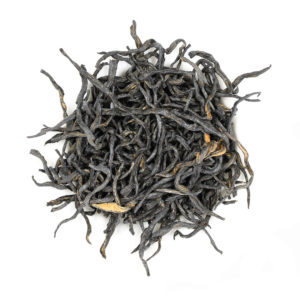
Yunnan Fragrant-Flavor Dian Hong
In Humin Township ancient tea trees are distributed in the JingMai, Mangjing, Manghong, Wengju, and Wengwa tea harvesting areas in the southern part of Pu-erh (Simao) Prefecture. The JingMai tea growing area has one of the largest concentrations of cultivated ancient tea gardens (approximately 1500 acres) which are believed to have been first cultivated over 1200 years ago by the Bulang people.
The JingMai tea harvesting area is located in the southwest part of Yunnan Province. As is the case with many of the Yunnan tea growing regions, the exact varieties of Camellia sinensis (or Camellia assamica) found in each area are unique to each area and botanically different one to another.
Because Yunnan is the original home of tea trees in China, the biodiversity of tea trees growing throughout the tea growing mountains there is one of the reasons why Yunnan black teas are so different in character one to another, from black teas produced in other areas in China, and also from tea being produced just about anywhere else in the world.
This tea is made from large-sized fresh leaf material that is hand-plucked from large, old growth tea trees, and is known as De Ye Zhong. This leaf gives the finished tea a very good original character. It is a Sheng Tai or natural / ecological tea, meaning that the tea has been cultivated without pesticides but carries no official organic designation.
This dian hong is from JingMai Shan, a mountain region located in the southern part of the Simao Prefecture – a region known to Pu-erh lovers as a remote, mountainous place that produces high-grade Pu-erh tea. Many do not realize that these Simao tea areas also produce stunning black teas. Whether harvested from old growth tea tees or new, cultivated tea bushes, the leaf from this region has special taste qualities that yields delicious types of both Pu-erh and dian hong/hong cha.
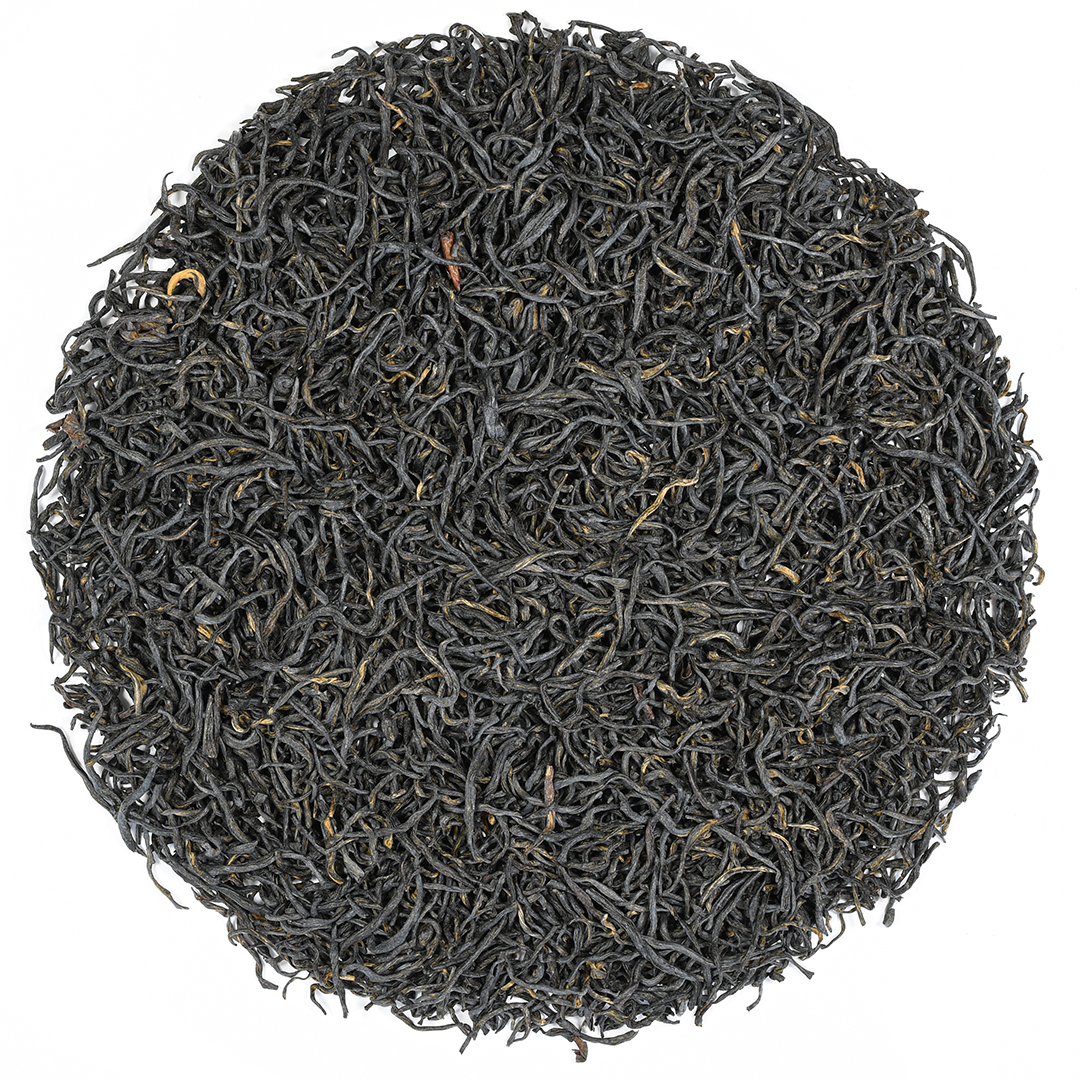
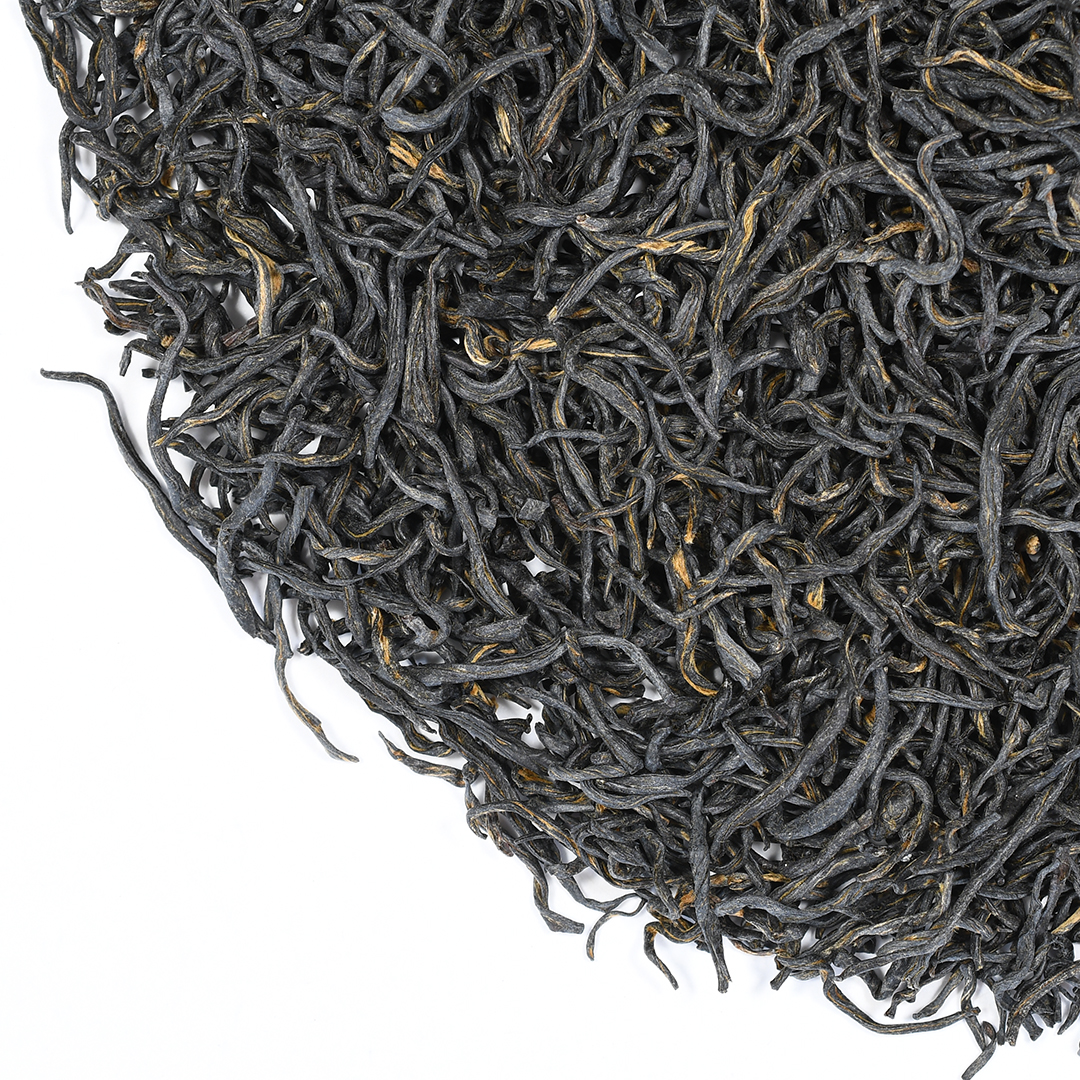
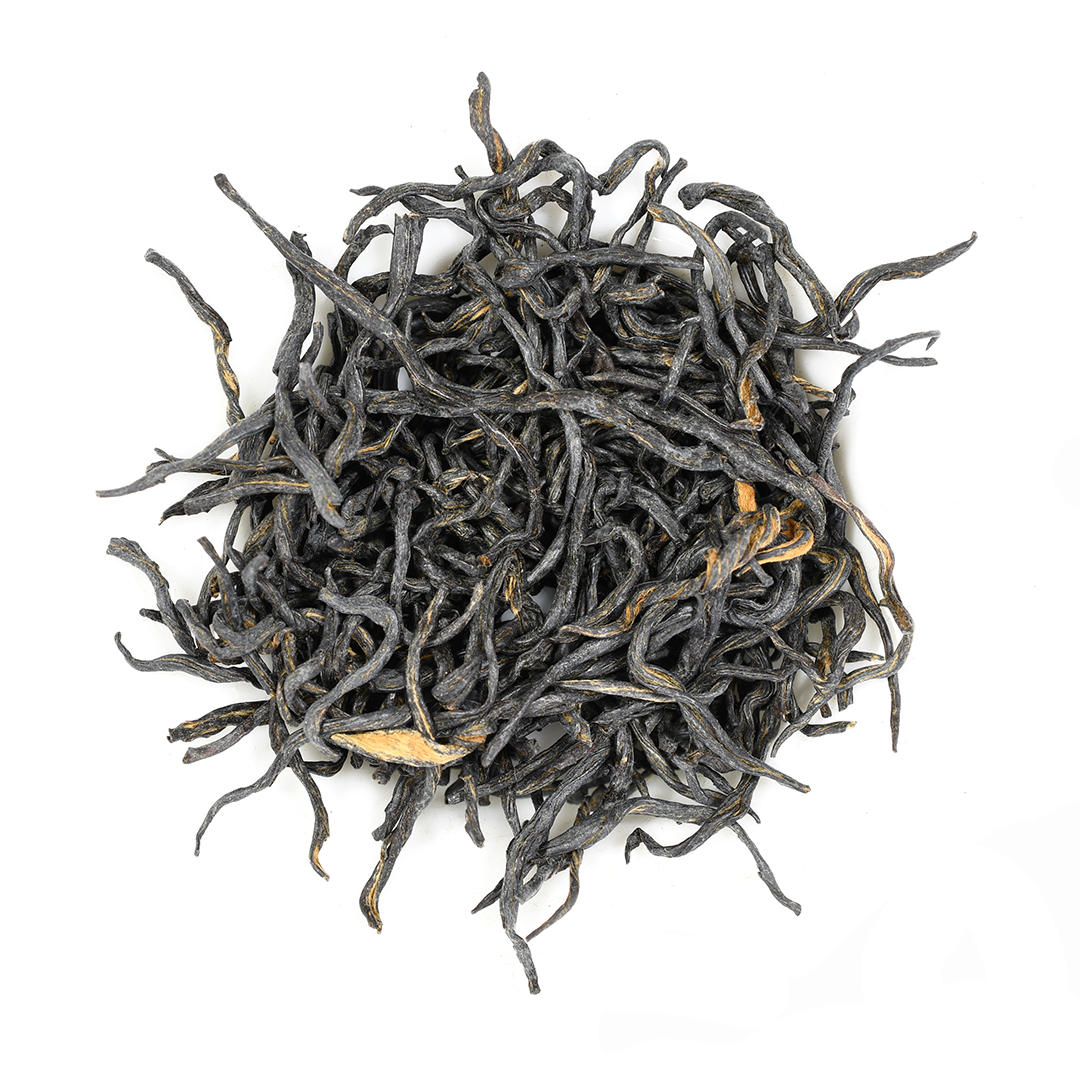
Our unique ‘Fragrant-Flavor’ tea is manufactured by a process that is reminiscent of one used in the 80’s and 90’s for some exotic coffees. Local red cane that is unprocessed into sugar as we know it; but is nonetheless sometimes called ‘raw cane’, is mixed with water and added to the firing pans when this tea leaf is being fired and shaped (and sometimes also when it is being finish-fired to dry it). The result is a unique finish on the leaf – a sort of gloss or glaze that is imperceptible when one does not know that it is there, but can be seen if one does. The tea, when steeped, offers a rich, smooth, and really deep flavor that is unlike any other tea that we have ever seen, and does have a similar character to the coffee that we mention above. It is not a sweetness, but rather more like a true caramel or burnt sugar nutty/dry background taste that is quite exotic and fun.
We currently have two lovely seasonal teas from JingMai Shan. While these two teas share some characteristics of their terroir, each is a delicious individual made unique by the special character of the terroir where the old growth tea trees grow. Additionally, teas from this specific area are from old growth tea trees that have mutated in the forests over time, making these trees different from other tea trees found in patches of forest elsewhere in these same mountains.
This tea is made from large-sized, fresh leaf material that is hand-plucked by villagers from the ethnic minorities that live in the high mountain forest areas. The tea is picked in autumn when the leaves have a full, rich taste and a concentrated aromatic.
Fragrant Flavor Dian Hong has a soft, flavor with undertones of cacao nib and honey that is very smooth and enticing.