
Skip to content
  • Tea Trekker is Closed for ordering - informational site only
  • Subscribe

    Blog sign up

    Subscribe

    Subscribe to our blog to receive notifications of new posts by email.

  • Blog
  • Tea Trekker is Closed for ordering - informational site only
Tea TrekkerTea Trekker
  • Login
  • Menu
  • Home
  • Learn About Tea
    • Tea Education
      • What is Tea?
      • The Six Classifications of Tea
      • Steeping Tea
      • Selecting & Storing Tea
      • Healthful Benefits
      • Traditional Tea vs Commodity Tea
      • New Tea, Rested Tea & Aged Tea
      • Fresh Spring Tea
    • Places of Note
      • China Famous Tea
      • Wu Yi Shan Oolong: yan cha
      • High Mountain Gao Shan
      • Higashiyama Tea
      • Kagoshima Tea
      • Shizuoka Organic Tea Farmers Union
      • About Jun Chiyabari Garden
      • Darjeeling Tea Protected Origin Status
    • Teawares
      • Teapots
      • Teacups
      • Matcha Bowls and Whisks
      • Gaiwans
      • Teaware Accessories
  • Tea by Country & Type
    • Tea by Country
      • Ceylon
      • China
      • India
      • Japan
      • Nepal
      • Taiwan
      • Other Countries
    • Tea by Type
      • Black Tea
      • Green Tea
      • Oolong Tea
      • Pu-erh Tea
      • Hei Cha
      • White Tea
      • Yellow Tea
      • Jasmine, Scented & Smoked
      • Tea Trekker Blends
      • Organic Tea
  • About Tea Trekker
    • About Us
    • Our Books
    • Stories from our Tea Trips
    • What Others Have Said About Us
    • Our Published Articles
    • Photo Gallery
    • Tea Trekker is Now Retired
  • Our Blog
Home / Teawares / Gaiwans
  • Tokoname Matte Grey Teapot with Decorative Lid
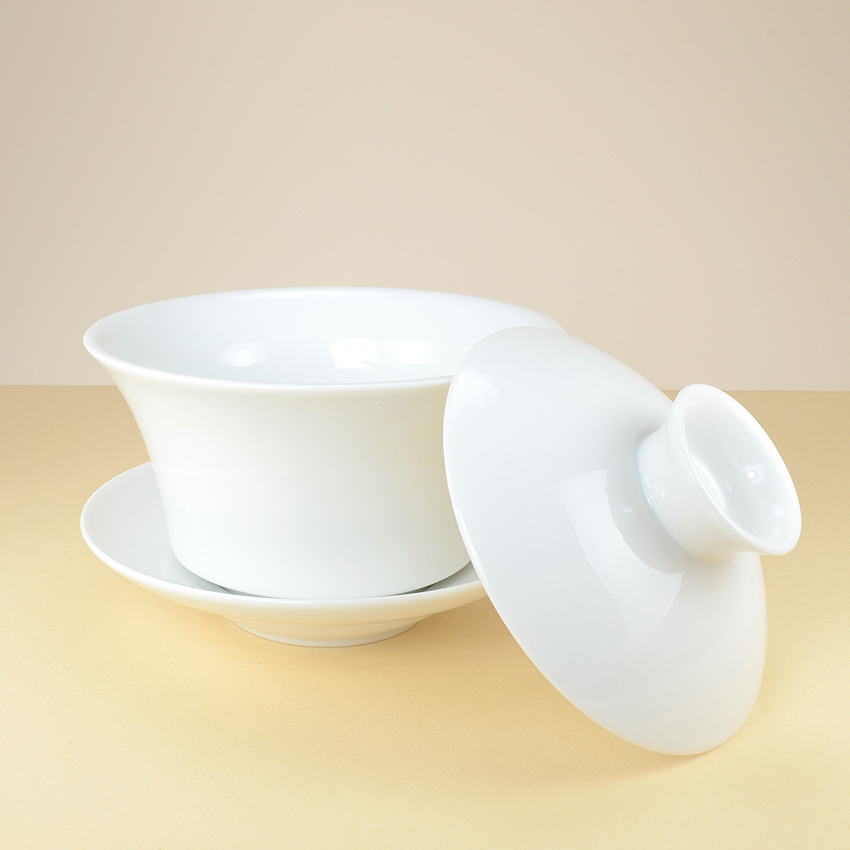
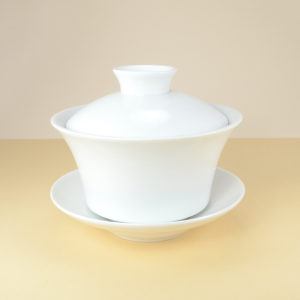
White Porcelain Large Gaiwan
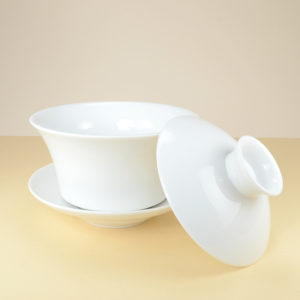
White Porcelain Large Gaiwan - Image 2

White Porcelain Large Gaiwan

Porcelain
Made in China
Height: 4″ tall
Functional capacity: 6.8 oz / 200 ml

Each gaiwan is comprised of a lid, steeping cup, & saucer

NO LONGER FOR SALE
----------------------------
Categories: Gaiwans, Teawares
Browse Tea
  • Black Tea
    • Ceylon Black Tea
    • China Black Tea
      • — Keemun Black Tea
      • — Lapsang Souchong Black Tea
      • — Yunnan Black Tea
      • — Other Regions Black Tea
      • — All China Black Tea
    • India Black Tea
      • — Assam Black Tea
      • — Bihar Black Tea
      • — Darjeeling Black Tea
      • — Nilgiri Black Tea
      • — Sikkim Black Tea
      • — All India Black Tea
    • Japan Black Tea
    • Nepal Black Tea
    • Taiwan Black Tea
    • All Black Tea
  • Green Tea
    • China Green Tea
    • Japan Green Tea
      • — Fukuoka Green Tea
      • — Matcha
      • — Shizuoka Green Tea
      • — Uji Green Tea
      • — All Japan Green Tea
    • Nepal Green Tea
    • All Green Tea
  • Oolong Tea
    • China Oolong Tea
      • — Fujian Semiball-rolled Oolong
      • — Fujian Strip-style yan cha Oolong
      • — Guangdong dan cong Oolong
      • — All China Oolong Tea
    • Nepal Oolong Tea
    • Taiwan Oolong Tea
    • All Oolong Tea
  • Pu-erh Tea
    • China Sheng Pu-erh
    • China Shou Pu-erh
    • All Pu-erh Tea
  • Hei Cha
  • White Tea
    • China Fujian White Tea
    • China Yunnan White Tea
    • Nepal White Tea
    • All White Tea
  • Yellow Tea
  • Jasmine, Scented & Smoked
  • Tea Trekker Blends
  • Organic Tea
  • 2021 Spring Tea
Browse Teaware
  • Teapots
  • Teacups
  • Matcha Bowls and Whisks
  • Gaiwans
  • Teaware Accessories
  • Description

Many consider a porcelain gaiwan to be the most perfect material for steeping any type of tea. Porcelain is fired at a high temperature in the kiln, so the glaze bonds with the clay and does not ride on the surface as it does with some ceramics. This gives porcelain durability, thin walls, and elegant shapes that tend to be light in the hand.

This gaiwan is as practical as it is beautiful. Because it is fully glazed, it will not retain the taste or aroma of a previously-steeped tea – a quick rinse with warm water is all that is needed when steeping different types of tea in succession. When you are finished using your gaiwan, just give it a quick rinse and allow it to fully dry before putting it away.

A traditional gaiwan is a small, lidded tea-steeping vessel that sits on a small saucer. Gaiwans are the perfect vessels for steeping oolong, Pu-erh, & Hei Cha, as tea drinkers do in China and Taiwan. These teas require a different ratio of tea to water than what is used in Western-style, ‘English’ tea drinking. Asian-style steeping uses more tea leaf and less water and the tea leaf is re-steeped multiple times to reveal different nuances of flavor. The serving size of tea liquor is small, but the flavor will be rich in dimension and full in the mouth. And, as the same leaf is steeped repeatedly, each reveals a different facet of flavor. Long tea drinking sessions around the tea table with friends means that the gaiwan will be in constant use.

Gaiwans were first used in China sometime in the Ming dynasty. Despite their simplicity and accessible price, gaiwans are a serious tea steeping vessel for all types of Chinese tea. Gaiwans come in several different sizes and slightly differing shapes. These vessels can be used to steep tea for one or several tea drinkers. In China, gaiwans are sold and used everywhere. In tea houses and tea shops gaiwans sit side-by-side with more expensive Yixing teapots, and, when glazed, can be used with any type of tea.

Learning to use a gaiwan is easy but it can take a little practice. Developing graceful hand movements and pouring techniques takes time, but once you master a gaiwan, it is a great feeling of accomplishment!  (the Gaiwan used in the photo below is smaller than the one for sale on this page)

Please Note:
Slight variations in the painting, colors, tooling, patterning and kiln effects of Chinese and Japanese tea wares are to be expected. We have carefully photographed this item as best as possible – please be aware that different device screens can render colors and subtle tones slightly differently.

Want to know more?

img-more_capacity How We Determine the Size & Capacity of our Teawares

Help
  • Account Information
  • Terms & Conditions
  • Privacy Policy
  • Contact
 Learn
  • Types of Tea
  • Types of Teawares
  • Tea Education
  • Places of Note
About
  • About Tea Trekker
  • Photo Gallery
  • Facebook
  • Newsletter Sign-up
  • Blog
Recent Blog Posts
  • 16
    Oct
    Welcome to the new Tea Trekker Blog Comments Off on Welcome to the new Tea Trekker Blog
Copyright 2026 © Tea Trekker
  • Home
  • Learn About Tea
    • Tea Education
      • What is Tea?
      • The Six Classifications of Tea
      • Steeping Tea
      • Selecting & Storing Tea
      • Healthful Benefits
      • Traditional Tea vs Commodity Tea
      • New Tea, Rested Tea & Aged Tea
      • Fresh Spring Tea
    • Places of Note
      • China Famous Tea
      • Wu Yi Shan Oolong: yan cha
      • High Mountain Gao Shan
      • Higashiyama Tea
      • Kagoshima Tea
      • Shizuoka Organic Tea Farmers Union
      • About Jun Chiyabari Garden
      • Darjeeling Tea Protected Origin Status
    • Teawares
      • Teapots
      • Teacups
      • Matcha Bowls and Whisks
      • Gaiwans
      • Teaware Accessories
  • Tea by Country & Type
    • Tea by Country
      • Ceylon
      • China
      • India
      • Japan
      • Nepal
      • Taiwan
      • Other Countries
    • Tea by Type
      • Black Tea
      • Green Tea
      • Oolong Tea
      • Pu-erh Tea
      • Hei Cha
      • White Tea
      • Yellow Tea
      • Jasmine, Scented & Smoked
      • Tea Trekker Blends
      • Organic Tea
  • About Tea Trekker
    • About Us
    • Our Books
    • Stories from our Tea Trips
    • What Others Have Said About Us
    • Our Published Articles
    • Photo Gallery
    • Tea Trekker is Now Retired
  • Our Blog
  • Login
  • Subscribe
  • menu

Login

Lost your password?